
Intelligent image analysis: new possibilities for waste classification
One of the most promising applications of AI in waste management is image analysis. Our systems use deep neural networks to identify and classify objects. This enables new solutions for waste management.
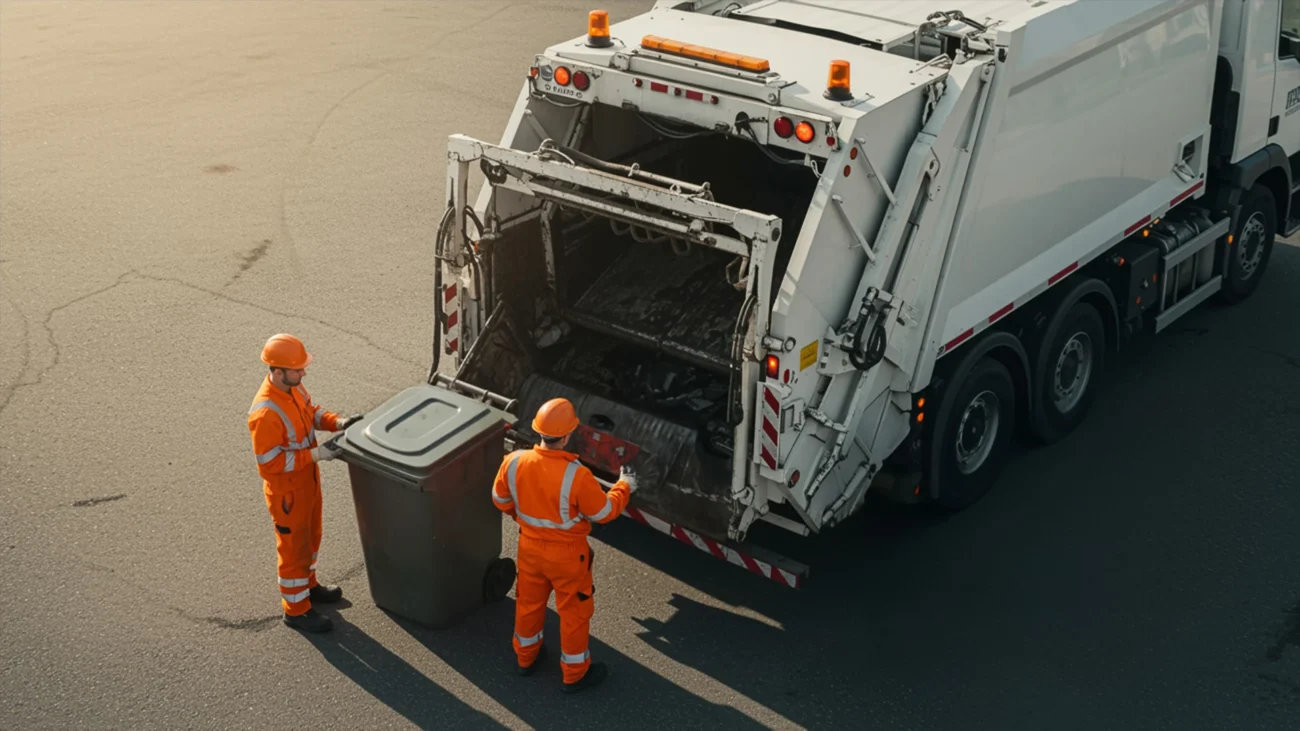
The system can detect improper waste collection, such as throwing in bags by hand or lifting containers incorrectly. AI also tracks each collected container, reducing errors and improving oversight.
AI-driven tools, like route optimization using the Bell Box device, monitor container fill levels in real time. This streamlines collection and lowers operational costs.
Another important feature is automatic visual documentation of the collection process. This supports data storage, efficiency analysis, and more transparency in operations.
Route optimization: efficiency and sustainability
Our route optimization uses predictive models that consider:
- Container location and size
- Type of waste
- Truck capacity
- Number of vehicles
- Landfill operating hours
These models allow collection vehicles to work efficiently. They save fuel, cut CO₂ emissions, and serve more locations without adding trucks.
ICHI System: the data management hub
The ICHI System platform centralizes all AI system data. It gives a clear view of waste management processes in one place.
An easy-to-use dashboard shows key metrics at a glance. Users no longer need to analyze raw data manually. The system also provides customizable reports.
A key feature is intelligent search. Users can find specific events in video footage using set parameters. This helps spot issues quickly. Flexible video playback allows downloading full recordings or clips, improving quality control and staff training.
By combining all these functions, the platform turns raw data into actionable insights. It helps optimize processes and reduce costs across the waste management chain.
The future of waste management is AI
AI is no longer a futuristic idea—it is transforming waste management today. Our solutions help companies meet regulations and gain economic benefits by using advanced technologies.